Lead Product Designer · Founder · Bengaluru
I look for the gap.
Where I learned how physical systems fail — tolerances, constraints, the real mechanics behind anything that has to actually work.
Where engineering met human behaviour — objects, interfaces, and the space between what a thing does and what a person needs it to do.
Where I learned to ask if the right thing was even being built, before asking how to build it well.
I don't usually start with "here are the screens." I start with "something here doesn't make sense — why?" That question is what leads to the system underneath the problem, and usually, to an opportunity most people already walked past.
Hiding a business's revenue-driving options because they add visual complexity isn't simplification — it's avoidance. The real job is progressive disclosure: let people finish what they came to do, then offer more.
When a workflow feels unnecessarily complicated, that's rarely a taste problem. It's almost always a fragmented system wearing a UI — and the fix lives underneath the screen, not on it.
I'd rather understand why someone disagrees with a decision than defend it on reflex. Half the time, they're right and I learn something. The other half, defending it properly is how you find out it was sound.
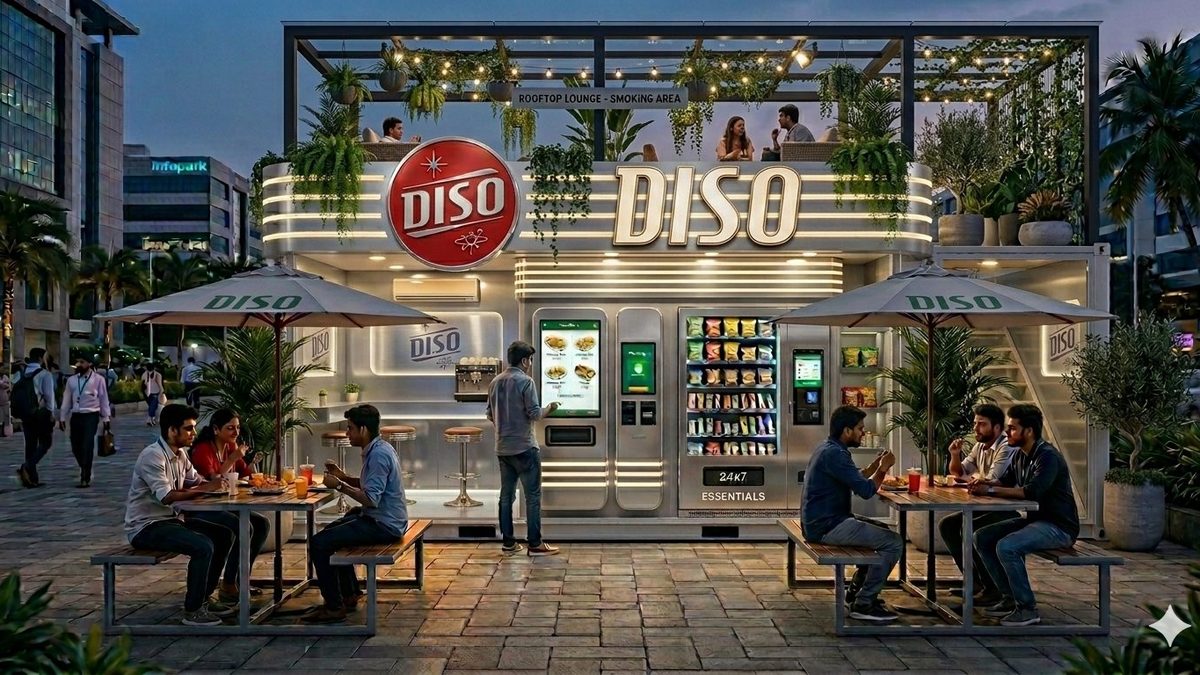
Read the full essay →Automated retail ops
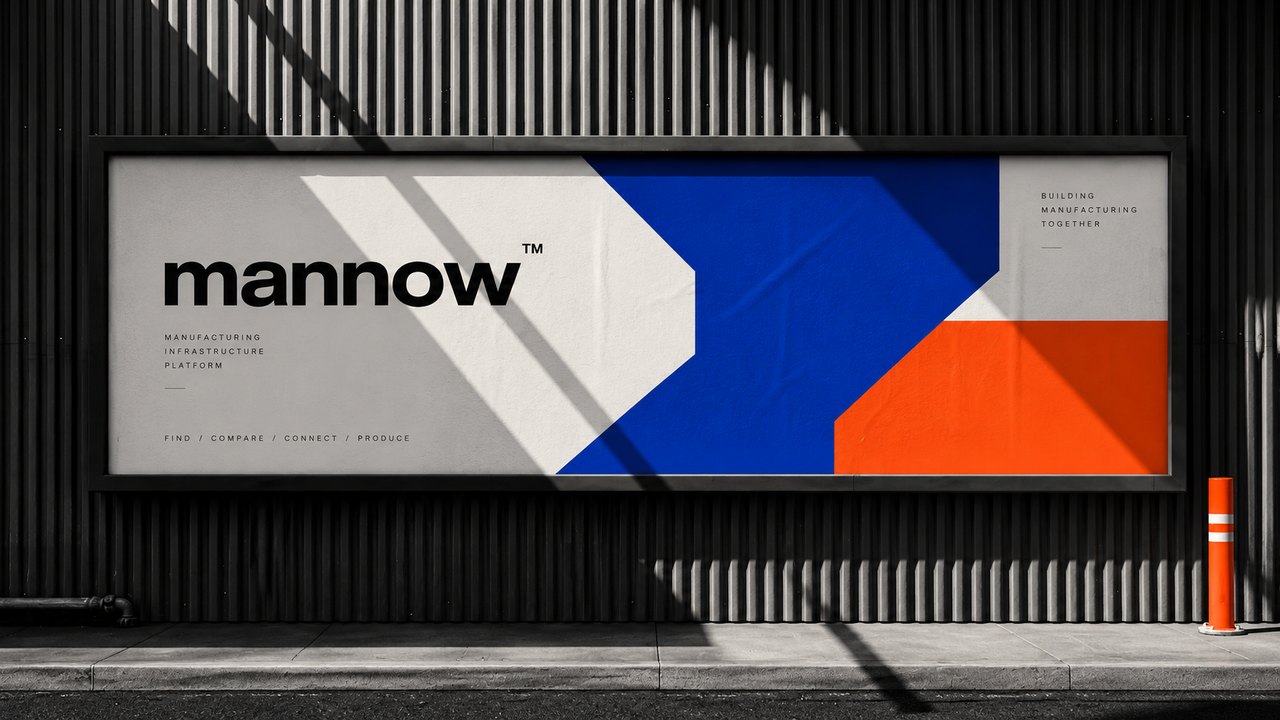
↗Manufacturing marketplace
↗CBG infrastructure
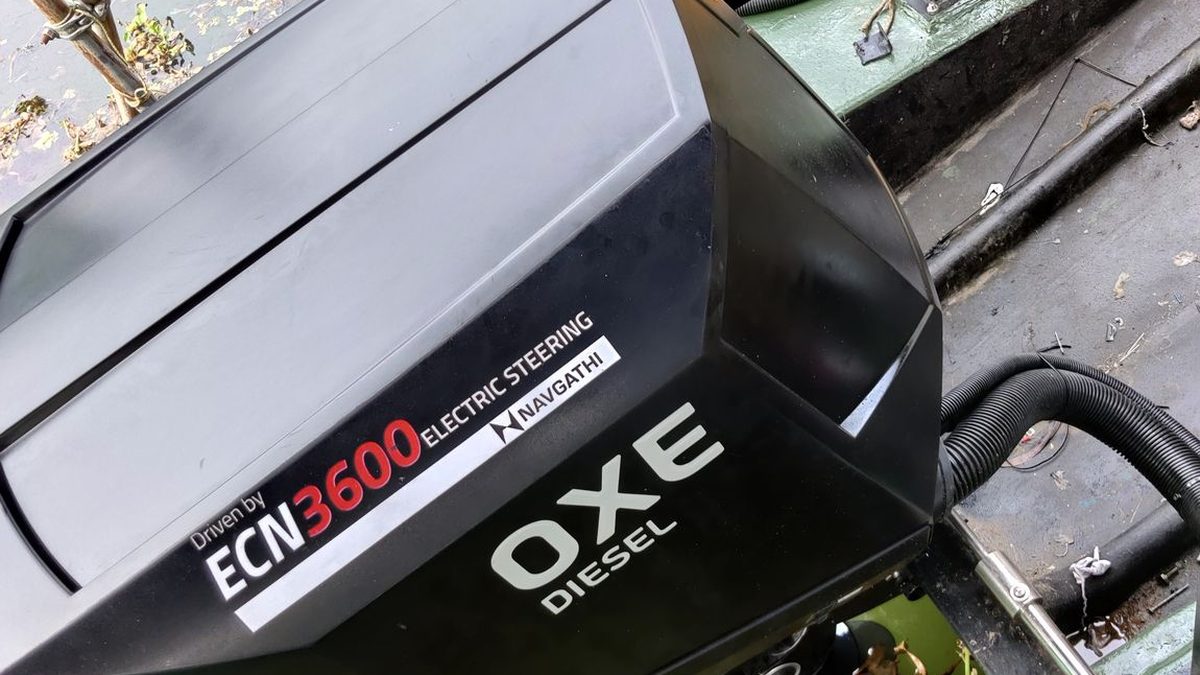
↗Mobility platform
↗Venture study
↗The problem wasn't "9 steps." It was fragmented information — product details, bundles and accessories scattered across pages, with no way to compare an existing plan against a new one. I brought it together around the user's own mental model: related information side by side, bundled accessories surfaced earlier, old and new plans shown together.
9 steps → 4 stepsOn the same project, I disagreed with how device colors were being categorized — I argued they belonged with the device's specs, not split off with add-on services. I lost that round. Months later, the client moved the structure toward what I'd proposed.
I lead UX for BT's Control Tower — the system that scores compliance across products, applications and metrics. The hard part was never the charts. It was letting people combine, filter and cut the data however their question demanded, without needing an analyst to translate it for them.
I'm rebuilding the underlying design system alongside the experience, so the same patterns keep working as the data — and the number of teams relying on it — keeps growing.
I've mentored designers and interns, run workshops, and started the UX CoE newsletter at Tredence — a habit of turning what one person learns into what the whole team knows. I've influenced teams of 4–6 people directly; still building toward leading larger ones.
AI is already part of how I work — Figma Make and NotebookLM for exploration, ChatGPT and Claude for reasoning through a problem before it ever hits a screen. I use it to move faster, not to skip the thinking.
My Product Management study at ISB Hyderabad pushed me past pure execution — markets, business models, MVPs, go-to-market. Every independent venture I've built, DiSo, MVPMe, SWITCH, started as a strategy question, not a UI problem.